

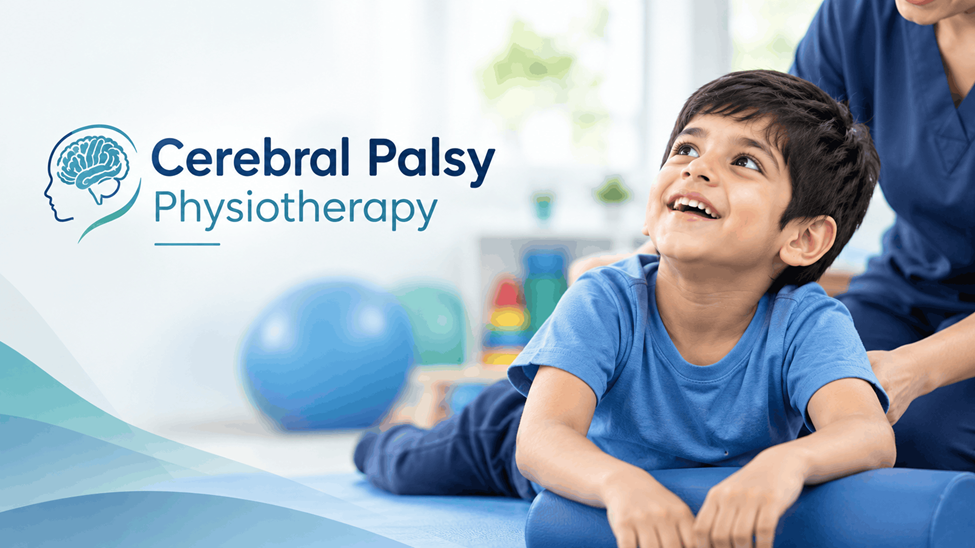
Living with cerebral palsy can involve various difficulties with mobility and daily tasks. The severity of this problem affects people differently and determines the level of assistance each person needs. Proper care for children and adults having difficulties with mobility would allow them to perform tasks more effectively as well as increase independence.
Cerebral palsy Physiotherapy is a good therapy to treat it. With appropriate assessment and personalised rehabilitation programs, physiotherapy aids in enhancing flexibility, joint movement capacity, and muscle strength for better balance and performance levels.
What Is Cerebral Palsy?
Cerebral palsy (CP) refers to various disorders due to an abnormal development of the nervous system affecting mobility and balance. The brain develops rapidly before birth and during early childhood. It affects muscle control at age 5 because of its impact upon motor skill development.
CP can affect various parts of the body and may lead to issues like muscle stiffness, weakness, involuntary movement, balance problems, or poor coordination. Severity can vary a lot between cases. Some people may have mild mobility issues, while other ones need assistance to move about easily and perform daily activities.
Common Symptoms of Cerebral Palsy
Cerebral palsy symptoms differ among individuals and may vary over time as it affects their lives differently. Common symptoms of childhood are delayed motor skills like sitting up, standing up or walking faster than usual; muscle stiffness/weakness; poor balance; and difficulty with coordination.
Cerebral Palsy can persist in adulthood with muscle rigidity, weakness of muscles, balance issues, difficulties with walking and coordination problems as well as involuntary movement disorders. Also, some individuals might suffer from pain, tiredness or problems performing everyday tasks. Symptom severity varies from mild to severe and affects various parts of the body. Professional evaluation helps to determine individual requirements for proper treatment plan of a patient.
Different Forms of Cerebral Palsy
Cerebral palsy manifests in several distinct forms based on the nature of muscle stiffness and movement control:
1 Spastic Cerebral Palsy
This is a common form of it. Stiffness of muscles leads to difficulty in moving them. May affect legs, arms or one side of body.
2 Dyskinetic Cerebral Palsy
This type is characterized by slow, twisting, jerky, or repetitive motions. They may affect facial features of arms, legs and body position.
3 Ataxic Cerebral Palsy
is a disorder that primarily affects balance, coordination, and control of movements. Walking and performing precise movements can be difficult for people.
4 Mixed Cerebral Palsy
This type include some individuals who are affected by both spasticity and dystonia forms of this condition.
Physiotherapy for Cerebral Palsy: How It Helps
Cerebral palsy physiotherapy helps individuals to enhance mobility, muscle power and self-sufficiency through therapy sessions. An individualized rehabilitation program is created by a physiotherapist according to their age, ability level, symptom severity and requirements of each patient.
Targeted Muscle Strengthening
Exercise is an effective way to improve muscle strength for improved movement control.
Flexibility Maintenance
Flexibility Maintenance through stretching and mobility exercises helps to keep joints flexible, relieve muscular tension, and promote an unrestricted range of motion.
Balance and Co-ordination Exercises
Balance and Co-ordination Exercises are good for improving posture, balance and control while performing various tasks or sports activities.
Walking and Mobility Support
Walking and Mobility Support through physiotherapy to enhance gait mechanics, transfer abilities, and overall functional movement capabilities of patients. Assistive devices might be suggested if necessary.
Functional Movement Training
Therapy is concerned with functional movement like sitting, standing, reaching and moving between positions.
Promoting Self-Reliance Through Rehabilitation
Encourages people to do things themselves without any assistance from others on a regular basis.
Why Early Physiotherapy Is Important
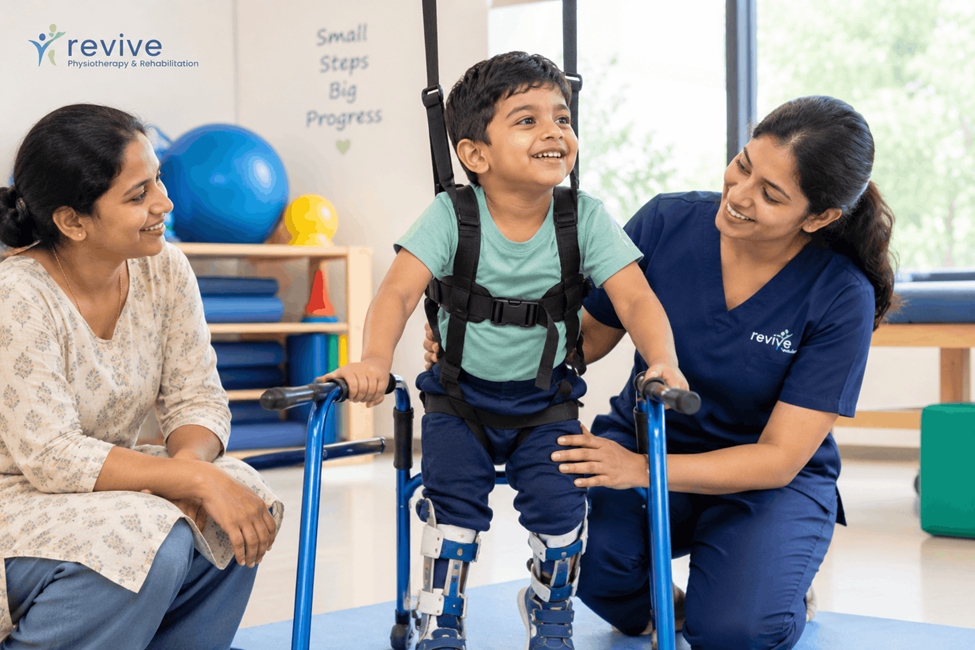
Physiotherapy early on helps to support kids who have cerebral palsy. Early detection can help diagnose problems such as mobility issues, muscular weakness, rigidity and difficulty of coordination. Therapy initiation is important for achieving developmental milestones like sitting up, standing up, walking on two feet and proper use of hands.
Also, physiotherapy helps to prevent or treat muscle stiffness and mobility problems as they occur. Exercise regularly and rehabilitate consistently to maintain progress and improve function. Personalized therapies are beneficial for kids to develop more physical abilities like strength, mobility, self-confidence and autonomy during their development period.

When to Seek Professional Help for Cerebral Palsy
If a child is delayed in sitting, standing, or walking by an appropriate age, then parents may need to seek medical advice from doctors for further evaluation. Abnormal muscle rigidity, weakness, or chronic pain may need medical evaluation by a doctor. Evaluation at an early stage helps to detect any problems of development so that they may be addressed quickly.
Physiotherapy is available to evaluate a child's mobility, muscle strength, range of motion, and general growth so that they may be referred for treatment if necessary by doctors/healthcare professionals.
Moving Forward with Cerebral Palsy Care
Each person is affected by cerebral palsy in their own way; it varies from child to child based upon his/her specific requirements. Physical therapy helps improve mobility, muscle power, range of motion, coordination skills and function for better self-sufficiency among kids.
Assessment of professional matters helps us know about children’s requirements for proper treatment plans. For any issues regarding children’s mobility and growth rate, there are experts who may provide assistance to parents.
Revive Physiotherapy & Rehabilitation provides individualized physiotherapy support based on each child’s needs and functional goals.
Looking for Cerebral Palsy Physiotherapy Support in LB Nagar?
Consult Dr. Lahari Dama, PT and our specialized pediatric rehabilitation team. We offer individualized therapy plans tailored to your child's developmental goals.
Frequently Asked Questions
1. What is cerebral palsy physiotherapy?
It is a type of therapy that helps a person move better, build strength, and manage daily activities.
2. How can physiotherapy help with cerebral palsy?
It can help improve movement, balance, muscle strength, and coordination.
3. Is early physiotherapy important for children with cerebral palsy?
Yes. Starting early can help children develop better movement and reach important physical milestones.
4. What exercises are used for cerebral palsy?
Exercises may include stretching, strengthening, balance, walking, and simple movement activities.
5. Can physiotherapy help children walk better?
Yes. It can help children improve the strength and balance needed for walking.
6. When should parents seek professional help?
Parents should seek advice if their child has difficulty sitting, standing, walking, or moving normally for their age.
7. Can adults with cerebral palsy benefit from physiotherapy?
Yes. It can help adults stay active, maintain movement, and manage everyday activities.
8. Does Revive Physiotherapy & Rehabilitation provide physiotherapy for cerebral palsy?
Yes. Revive provides personalized therapy based on each child’s needs and abilities.